Book a professional Tibet travel consultant ▶▶
The best months for travel to Tibet each year are May, June, early September, and mid-to-late October. From a scenic perspective, June and early September are the best times, followed by May and mid-to-late October. July and August see a significant drop in both scenery and safety due to the rainy season, but are still very crowded mainly because of high oxygen levels, long holidays like summer vacation, and long-term missteps in promotional efforts.
Tibet has a complex climate with significant regional differences and marked vertical variations. The altitude drops from 5,000 meters in northwestern Tibet to just over ten meters in the southeast, resulting in various climate types including tropical, subtropical, plateau temperate, plateau subarctic, and plateau frigid. In southeastern Tibet and the high-altitude canyons on the southern slopes of the Himalayas, the climate can change from tropical to frigid within a few dozen kilometers. The feeling of experiencing four seasons on a single mountain and having vastly different weather every ten miles is extremely pronounced here.
From a natural perspective, Tibet's high altitude and low latitude result in long hours of sunshine. Compared to similar latitude cities like Wuhan and Shanghai, summer temperatures are about 8-10 degrees Celsius lower, while winter days are warmer. Overall, the climate is mild in winter and cool in summer. Regarding precipitation, the seasonal distribution of rainfall across the Tibet Autonomous Region is uneven, with a very clear distinction between the dry and rainy seasons, and frequent nighttime rain. Rainfall is concentrated from May to September, generally accounting for about 90% of the annual precipitation, especially in July and August. The dry season typically lasts from October to April of the following year, characterized by strong winds, particularly from February to April.
In terms of visitor flow and spending, July to September is generally the peak tourist season, but the number of tourists decreases slightly compared to July and August. The period from late September to October 1st is the busiest time of the year, with the highest visitor volume and the highest travel costs. From November to April of the following year, visitor flow is relatively low, which is considered the off-season, and expenses are relatively lower. May, June, and mid-to-late October are the transitional periods each year, with generally moderate costs.
Based on the two factors above, the months with the highest quality of travel to Tibet each year are May, June, early September, and mid-to-late October. From a scenic perspective, June and early September are the best times, followed by May and mid-to-late October. The scenery and safety in July and August are significantly reduced due to the rainy season, but the large crowds are mainly due to high oxygen levels, long holidays like summer vacation, and long-term missteps in promotional efforts.
From November to February of the following year, this is the most economical season to travel to Tibet. The main factors affecting this period are low oxygen levels, potential road closures due to snowfall, and inaccessibility to scenic spots. However, from a scenic perspective, winter is the best time to see the mountains in Tibet, offering the most spectacular views and the highest visibility, with peaks rarely seen at other times. Additionally, this period coincides with Tibetan New Year and other Tibetan festivals, making it a good time for cultural tourism. However, it's important to be mindful of your physical condition, as the oxygen level is even lower and the air is drier in winter.
March and April are the season for the blooming of wild plants such as peach blossoms and rhododendrons in southeastern Tibet, making it a major highlight for travel during this period. However, it is important to be aware of weather changes during this time, as it is generally windy starting in the afternoon. When choosing flights to and from Tibet, try to avoid evening flights, as there are often situations where flights cannot land but can still take off.
Book a professional Tibet travel consultant ▶▶
Sunbathing on the streets of Lhasa in January
Streets of Lhasa
Lhasa, once you arrive, you can't avoid basking in the sun. The January sun is all the more precious because of the significant drop in temperature and the extremely low temperatures in the mornings and evenings. With the Tibetan New Year and the Lunar New Year approaching, it also evokes a sense of anticipation and hope. Sitting in the Barkhor Street on a winter afternoon basking in the sun might be a good choice, and the sweet tea at Canggu Temple and Guangming Tea House is also quite delicious!
Spending three festivals in Lhasa in February
Lhasa celebrates three festivals
On the fifth day of the Tibetan New Year, people in the suburbs of Lhasa hold a grand plowing ceremony. On this day, people dress in festive attire, adorn their strong oxen beautifully, and celebrate together. Visiting Lhasa in February allows you to experience both Tibetan and Han festivals.
Visit Nyingchi in March to admire the peach blossoms
Enjoying peach blossoms in Linzhi
In March, Nyingchi, though still chilly, is already a sea of flowers. Vast expanses of enchanting peach blossoms, nestled amidst majestic snow-capped mountains, exude boundless beauty. The vibrant peach blossoms, reflected against the azure sky, create a breathtaking scene. Nyingchi Peach Blossom Village is the premier destination for peach blossom viewing. On the slopes along the Nyang River, wild peach groves intertwine with wheat fields, creating a stunning spectacle.
Namtso Lake in April
Namtso Lake
In April, parts of Namtso Lake are just beginning to thaw. As the sun shines down, the lake ice melts away, a sight rarely seen at any other time of year.
Listening to the wind in Shannan in May
Shannan
In May, when the warm and humid air currents from the Indian Ocean cross the Himalayas and reach the Tibetan river valley plains, the approximately 150-kilometer-long Yarlung Tsangpo River shelterbelt in Shannan is covered in green, forming a natural green barrier that blocks the sandstorms blowing from the upper reaches of the Yarlung Tsangpo River.
Passing through the Linka in Shigatse in June
Shigatse Guolinka
The International Children's Day on June 1st is jokingly called the Linka Festival by the locals. The scene is no less grand than the Linka Festival in Lhasa. Everyone sits around in tents, drinking and eating meat from large bowls, singing and dancing, having so much fun that they forget to go home. Almost the entire city is immersed in a sea of joy.
Cycling the Sichuan-Tibet Highway in July
Cycling the Sichuan-Tibet Highway
July is the best season to travel the Sichuan-Tibet Highway. At this time, the snow and ice on the mountains have melted, and the rainy season has not yet begun. July also happens to be summer vacation, so many cyclists and road trippers choose to travel the Sichuan-Tibet Highway to Tibet at this time.
Nagqu Horse Racing Festival in August
Nagqu Horse Racing Festival
During the August horse racing festival in Nagqu, when the strong Tibetan men put on their hero's knots, mount their saddles, and raise their whips; when the horses gallop forward, kicking up sand and dust from the dirt road; and when the first racer crosses the finish line, people surround him and present him with a hada (a ceremonial scarf).
Heading west to Ali in September
Ali
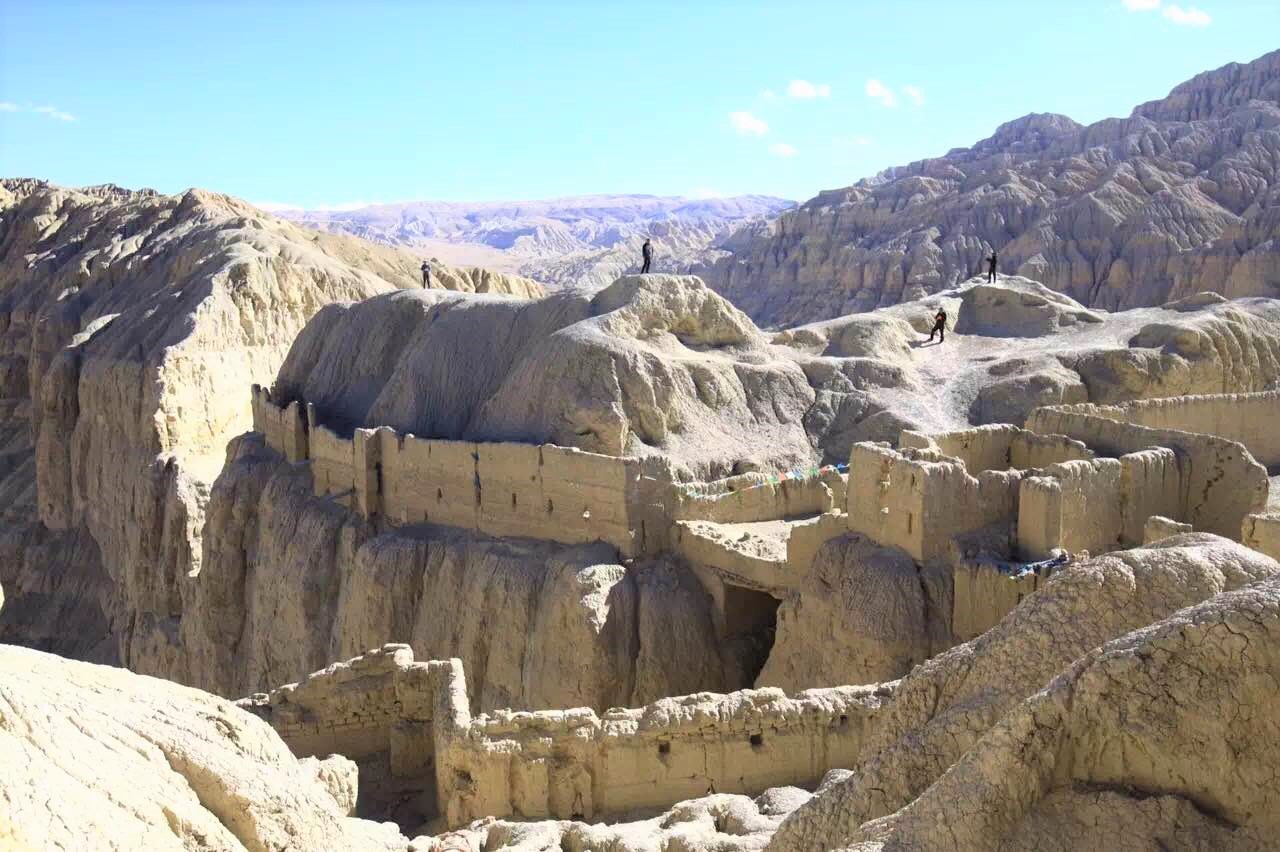
In September, Ali boasts the sacred Lake Manasarovar and the holy Mount Kailash under the vast sky, the ghost lake Rakshastal, Pangong Tso, Tholing Monastery, and the ruins of the Guge Kingdom. In September, let us step into Ali and reach the other shore of our souls.
Experience the rich autumn colors in Changdu in October
Autumn is in full swing in Changdu
In October, the Hengduan Mountains already show hints of autumn, and the high mountains and great rivers are exceptionally magnificent. Kham culture is the core of tourism in Chamdo. The intangible cultural heritage of Mangkang, Dingqing, and Chamdo, such as the stringed instrument, the Reba dance, and the Tibetan opera, are unique folk cultural forms in the Kham Tibetan region.
Visiting Nyingchi in November to converse with Namcha Barwa Peak
Namjagbarwa Peak
If you've been living in the city for a long time, you need an experience to connect with nature, and the best way to do that is by hiking. Every year in October and November, Nyingchi is a golden sea, with the forests ablaze with color.
This is also the season when it is easiest to see Namcha Barwa. Everyone, no matter what their thoughts and experiences are, will be moved when they see Namcha Barwa with their own eyes.
In December, I'll travel to Shigatse to cross glaciers and trek to the sacred lake in Gyirong.
Hiking in Geelong
December in Tibet has nothing to do with tourists, only with breathtaking scenery. Shigatse in this season is simply unbelievably beautiful. Experience it: the regret of passing by Tashilhunpo Monastery, the roar of glacial meltdowns, trekking through the border villages of Gyirong to the sacred lake, feeling the wind blowing from Nepal—experience beauty beyond your wildest imagination.
Book a professional Tibet travel consultant ▶▶
Recommended Itinerary
Lhasa-Shigatse-Mount Everest-Namtso 8-day tour ▶
Lhasa - Mount Everest - Sacred Mountain and Lake Manasarovar (Kora) - Namtso Lake - Lhasa 16-day tour ▶
Personalized itinerary ▶