- How do the scenes in the drama correspond to real locations?
- Why do three-sided slopes look real?
- Olive Dam Dai Ethnic Garden: The entrance to the filming location is also a residential area.
- Jinghong City: Karaoke Bars, Water Town, and City Night Scene
- Wangtianshu: A day that brought me closest to the atmosphere of the Sanbianpo rainforest
- Three-day binge-watching route
- What should you be aware of when traveling to the border?
- Reference source
- Related FAQs
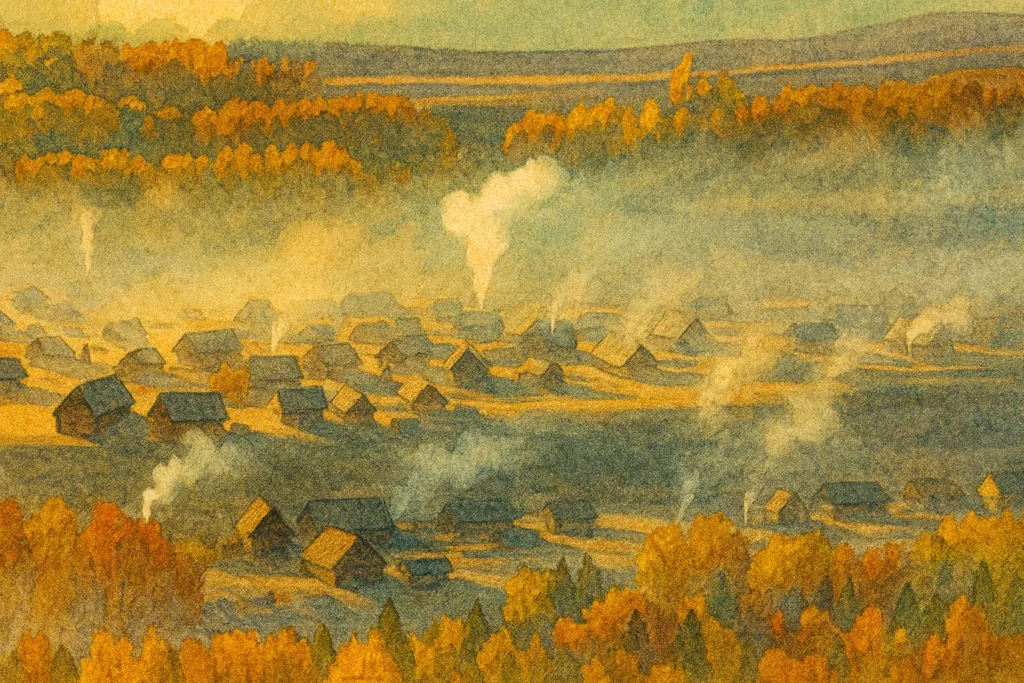
The truck wound its way into the rainforest along the humid mountain road, where markets, casinos, karaoke bars, and docks pieced together a "Sanbianpo" landscape with an ambiguous sense of order. "Borderland Chronicles" makes this space seem like a real border country, but the actual Sanbianpo is a fictional setting, with the main visual materials sourced from Xishuangbanna, Yunnan.
You can follow the route for watching the series, but you need to change the direction. Jinghong city, Ganlanba Dai Ethnic Garden, Menghai tea area, and Mengla Wangtianshu are scattered in different directions, so it's suitable to split them into three days; the dangerous industries, armed conflicts, and artificial language in the series are fictional and cannot be used to describe the real Xishuangbanna.
“"Sanbianpo" is a fictional world; there is no border scenic area with the same name. The main real-life scenery is distributed across Jinghong, Ganlanba, Menghai, and Mengla. A three-day itinerary is recommended. Wangtianshu is quite far from Jinghong and should be planned for a separate day, avoiding combining it with other city attractions.
How do the scenes in the drama correspond to real locations?
| Space in the play | Real filming location | Travel Value | Recommended time |
|---|---|---|---|
| Sanbianpo Village and Entrance | Xishuangbanna Dai Ethnic Garden and surrounding areas of Ganlanba | Visit Dai villages, Buddhist temples, and witness the water-splashing festival. | Half a day to the 1st |
| Grand Golden Jade Karaoke | Related spaces of Jinghong Mekong River Jinglan Hotel | Urban scene recognition: Whether it is open needs to be confirmed on-site. | 30 minutes |
| Shen Xing and Liu Jincui chatting by the water | Jinghong Dai Ethnic Water Town | Urban strolls and water features | 1 to 2 hours |
| Uncle Cai and Aisuo releasing animals | Mengla Wangtianshu Scenic Area | Nanla River, Tropical Rainforest and Canopy Experience | 1st |
| Tea market related scenarios | Menghai Manhe Tea Market | Understanding Pu'er Tea Trading and County Town Life | Half a day |
The filming location data compiled by China Railway Kunming Bureau clearly lists the Dai Ethnic Garden, Mekong River Jinglan Hotel, Dai Village Water Town, and Wangtianshu (Wangtianshu Scenic Area). Other online travel guides often label the entire Xishuangbanna region as having the same filming location; reliable corresponding locations should be distinguished from locations with similar atmospheres.
Why do three-sided slopes look real?
In an interview, the director and production team explained that the series employs a "realism + fiction" approach, using Xishuangbanna's biodiversity, ethnic culture, and tropical climate as its geographical foundation, and then reconstructing its social structure, industries, and language. The "Bomo language" in the series is also an artificial language designed specifically for the work.
This distinction is crucial. The authentic cultures of the Dai, Hani, and Bulang ethnic groups should not be replaced by the criminal world depicted in the drama; tourists should not treat local villages, tea markets, or border residents as mere "characters from Sanbianpo" to be observed. What one sees during travel is the rainforest, waterways, markets, and living environment; the order depicted in the drama is a creation of the screenwriter.
The filming locations for "The Story of the Border" are real, while the country, language, and dangerous social structure of Sanbianpo were recreated by the production team.Olive Dam Dai Ethnic Garden: The entrance to the filming location is also a residential area.
The Xishuangbanna Dai Ethnic Garden is located in Ganlanba, Jinghong City, and consists of several natural Dai villages. The exotic gate towers, streets, and village spaces featured in the drama were filmed here, while the actual tour focuses on traditional dwellings, Buddhist temples, village life, and water-splashing activities.
The Dai Ethnic Garden combines the features of a scenic area and a community. When entering the Buddhist temple, please observe dress and photography rules, do not enter residential areas without permission, and refrain from taking close-up photos of the elderly, children, or religious activities. Water-splashing activities are held in designated areas and at specific times; please waterproof your mobile phones, cameras, and identification documents beforehand.
Traveling between Jinghong city and Ganlanba usually requires road transportation, and waiting time can increase during peak seasons and festivals. If you also plan to visit Wangtianshu in Mengla on the same day, you may spend most of your time in the car, so it's better to travel in two separate directions.
Jinghong City: Karaoke Bars, Water Town, and City Night Scene
The scenes featuring the Da Jin Cui karaoke bar were taken from the Mekong River Jinglan Hotel, while the scene of Shen Xing and Liu Jin Cui chatting by the water corresponds to the Dai ethnic water town. Both locations are within the city limits of Jinghong and are suitable for a half-day itinerary that includes the city's night market, riverside, and regular dining options.
Hotels and commercial establishments are ongoing businesses, and their internal functions, décor, and visitor regulations may change. Do not enter commercial spaces seeking private rooms unless you have a specific need for purchase or accommodation. The Dai ethnic water town is better suited for strolling in open spaces, but the stone slabs and waterside paths can become slippery during the rainy season.
The nighttime scenes in the drama are enhanced through lighting, color grading, and art direction. In reality, Jinghong is brighter, more open, and has a large volume of ordinary urban traffic. Photos taken while watching the drama can be kept, but travel decisions should still be based on actual openness and public etiquette.
Wangtianshu: A day that brought me closest to the atmosphere of the Sanbianpo rainforest
The Wangtianshu Scenic Area in Mengla County is the designated filming location for the scenes depicting the release of animals in the drama. The Nanla River waterway, the towering Wangtianshu trees, and the humid understory create the most recognizable rainforest scenery in the work. Tours of the scenic area typically include waterways, forest trails, or canopy experiences; different activities are subject to weather and maintenance conditions.
The Wangtianshu Tree area is quite far from Jinghong, so a full day is recommended for the round trip. During the rainy season, there is heavy rainfall, so non-slip shoes, quick-drying clothes, mosquito repellent, and spare dry clothes are more practical than the outfits worn in the drama. The canopy walkway may be closed during thunderstorms and strong winds, so those with a fear of heights should not force themselves to experience it.
The Wangtianshu area is suitable for observing authentic rainforest ecology, but not for venturing off the trails to explore uninhabited "no-man's-land." The sense of desolation in the film comes from the camera work; the undeveloped woodlands outside the scenic area present risks of getting lost and border management issues.
Three-day binge-watching route
Day 1: Stay in Jinghong, exploring the Dai ethnic water town, the Lancang River, and open urban spaces. Day 2: Visit the Dai Ethnic Garden in Ganlanba, then return to Jinghong in the evening. Day 3: Head to Wangtianshu in Mengla early in the morning, returning in the evening. If you wish to include the Menghai Manhe Tea Market and tea plantations, you should add another day and stay overnight in Menghai or arrange alternative transportation.
Xishuangbanna Prefecture is quite large, with Jinghong, Menghai, and Mengla located in different directions. The China-Laos Railway can solve some intercity travel issues, but specific train schedules, station connections, and transportation to scenic areas still need to be checked before departure. During the rainy season, roads are affected by heavy rainfall, so it's advisable to allow for buffer travel.
What should you be aware of when traveling to the border?
Visiting open scenic areas does not grant tourists free access to border villages, port operation areas, or closed rainforests. When encountering inspections, tourists should cooperate by presenting valid identification, refrain from aerial photography of military, port, and border facilities, and not accept requests from strangers to carry packages across the border.
"Borderland Chronicles" offers a convincing fictional world, while Xishuangbanna has its own language, religion, market, and social order. Separating the two will prevent the viewing experience from becoming a misinterpretation of the real border region.
Reference source
- Kunming Railway Official: Filming Locations of "Border Water Stories" Along the China-Laos Railway
- Red Star News: Creators Discuss the Real-Life Xishuangbanna Scenery and the Fictional World
- People's Daily Online Yunnan Channel: Film and Television Locations and Cultural Tourism Development in Xishuangbanna
- The Paper: Photos and compilation from the Dai Ethnic Garden, Wangtianshu (a type of tree), and Manhe Tea Market
- The Paper: Director Suan Discusses the Fictional Worldview of "Borderland Chronicles"
Related FAQs
Where was "Tales of the Borderlands" filmed?
Is the Three-Sided Slope a real place?
Can you visit the Wangtianshu Tree and the Dai Ethnic Garden in one day?
Do I need a border pass to go to the filming location?
When is the best time to binge-watch TV series and travel in Xishuangbanna?