- How do the world in the show correspond to real locations?
- Wubao Town: First observe how people live, then enter the Gobi Desert.
- The Great Maritime Road Scenic Area: The Yardang landforms are vast; only the open roads allow for travel within the designated area.
- Should we enter the scenic area in one or two days?
- Three-day, two-night binge-watching route
- The ancient Silk Road name should not be confused with today's scenic area.
- Reference source
- Related FAQs
Motorcycles rushed into the Yadan Canyon, the wind whipping up sand and dust from behind their wheels. The TV series "The Great Great Road" combines off-road sports, life in Wubao Town, and the Hami Gobi Desert into one drama, and also lets many people know for the first time that the Great Great Road is both the name of the ancient Silk Road and the Yadan scenic area under unified management today.
Real-world travel can't be like a race car scene off the road. The Hami Yilong Yadan Great Road Scenic Area is vast, and vehicles must purchase tickets with their real names and travel along designated routes. Wubao Town is an important prototype space for the characters and motorcycle culture in the play, so it's suitable to split the trip into two days with the scenic area, and then use another day to visit Hami city or for a weather buffer.
The main route for this trip is through Wubao Town and the Hami Yilong Yadan Great Road Scenic Area, and a three-day itinerary is recommended. Within the scenic area, only designated routes can be followed; driving off the road to recreate off-road scenes is prohibited. Entry rules for regular cars, self-driving vehicles, and motorcycles may differ; please confirm before departure.
How do the world in the show correspond to real locations?
| Place | Relationship with TV series | Travel judgment | Recommended time |
|---|---|---|---|
| Wubao Town, Yizhou District, Hami City | One of the main filming locations, a space showcasing motorcycle culture and the prototypes of the characters. | Life as a TV series watcher | Half a day to the 1st |
| Yilong Yadan Great Sea Road Scenic Area | Key scenes include desert, Yardang landforms, rescue operations, and cycling. | Natural Landscape Main Line | 1 to 2 days |
| Daodai Road Brave Life Base, etc. | Motorcycle experience space developed after the series aired | Event details and opening hours will be announced on-site. | 2 to 3 hours |
| Hami City | Transportation, accommodation and supply base | Stops before and after entering/exiting the scenic area | 1st |
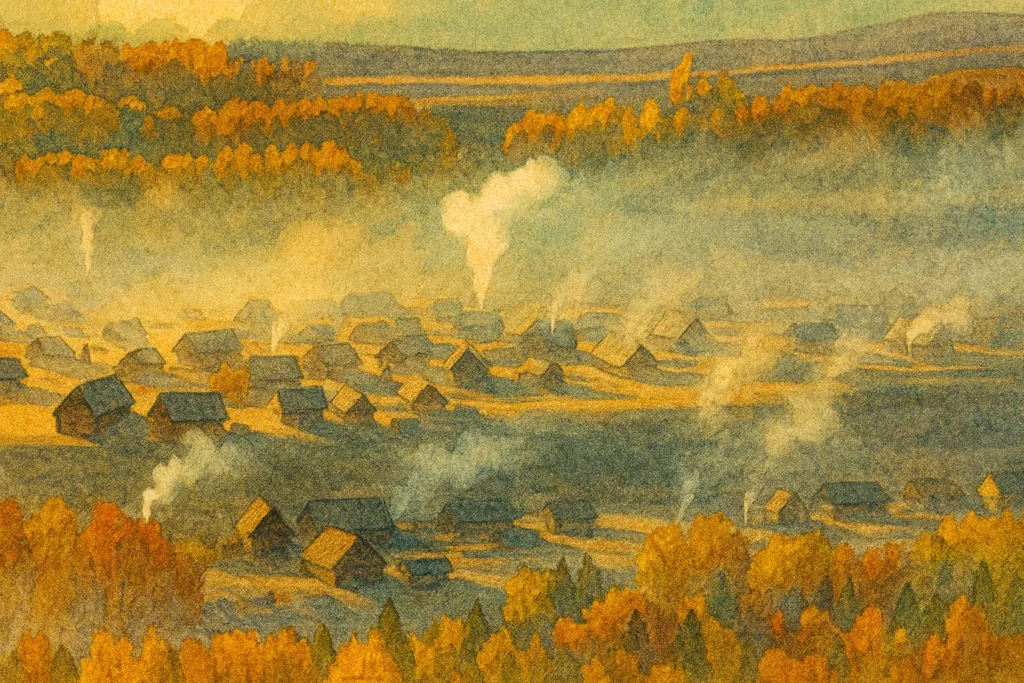
The Hami Municipal Government stated in its announcement of the series' start of filming that the shooting would extend from a small town in the Gobi Desert to the Great Silk Road, Yardang landforms, and the desert itself. People's Daily later also listed Wubao Town as a main filming location, noting the addition of a motorcycle café and racing base. As for the "Dabao Town" in the series, it should be understood as a fictional world created for the characters and not directly equivalent to a fully preserved real town.
Wubao Town: First observe how people live, then enter the Gobi Desert.
The production team primarily filmed in Hami, observing the local cycling and motorcycle culture in Wubao Town, which borders the Gobi Desert. Screenwriter Zhou Jingxiang mentioned in an interview that the town's cycling habits and the Gobi environment formed the basis for the series' creation.
Wubao Town is not a closed film and television city. Residents, shops, vineyards, and roads continue to operate at their usual pace, and cafés, bases, and events related to the series may be adjusted according to the season or events. Please check before visiting to confirm that the area is open, do not park your vehicle in front of residents' homes for extended periods, and do not use the town's roads as a test track.
Wubao Town provides the background and character portrayals of life in "The Great Road". A true off-road performance requires a closed track, professional vehicles, and a safety team; it cannot be replicated on ordinary roads.The Great Maritime Road Scenic Area: The Yardang landforms are vast; only the open roads allow for travel within the designated area.
According to data from the Hami Municipal Government, the Hami Yardang landforms are concentrated over an area of approximately 5,000 square kilometers. The Yilong Yardang Great Sea Trail Scenic Area also includes paleontological fossils, historical sites, and Yardang landforms. The scale of the landscape far exceeds that of ordinary urban attractions, and the distances for resupply, signaling, and rescue are also much longer.
The scenic area management regulations implemented in 2024 clearly require tourists and vehicles to purchase tickets using their real names, and vehicles to travel and park according to designated routes and areas, and are not allowed to arbitrarily leave the roadbed or enter unopen areas. Camping, barbecuing, using fire, climbing, and unauthorized fossil collection in non-designated areas are also prohibited.
Therefore, the traverse routes, off-road tracks, and camera coordinates in short videos of uninhabited areas cannot be used directly. Before driving, you should confirm the entrance requirements, vehicle requirements, shuttle bus or self-driving routes, fuel level, and roadside assistance phone number for the day. Rental car contracts may also prohibit driving on unpaved roads, so don't just ask if the scenic area is open.
The most important travel rule on the Great Silk Road is simple: the view can extend to the horizon, and vehicles can only stay on the designated open routes.
Should we enter the scenic area in one or two days?
To see only the main Yardang landforms, you can depart from Hami in the early morning and return in a day. For those who want to see the sunset, starry sky, or a more complete scenic route, a two-day trip should be arranged depending on the approved campsites and accommodations. Camping is only allowed in designated areas and should be cancelled in case of strong winds, sandstorms, or extreme temperatures.
The Gobi Desert has strong sunlight and large temperature differences between day and night, so the vehicle needs sufficient drinking water, food, insulation, sun protection, and basic emergency supplies. Offline maps can only be used as a supplement and cannot be used to drive outside the designated routes. Before entering, electric vehicles must have their range, charging, and rescue conditions rechecked.
Three-day, two-night binge-watching route
On the first day, arrive in Hami city, check vehicles and supplies, and confirm scenic area announcements; the afternoon can be spent visiting the city museum or returning to Wangfu (Prince's Mansion) and other stable attractions. On the second day, visit Wubao Town and other publicly known locations related to the drama series, and rest early. The third day is entirely dedicated to the Da Hai Dao (Great Sea Road) scenic area; if a designated campsite is arranged within the scenic area, an extra night will be added, and the group will return to the city the following day.
In case of strong winds, sandstorms, heavy rain, or road closures, travel to Wubao Town and the city center can be maintained, but the Great Gobi Desert route should be cancelled or postponed. While lost Gobi Desert photos can be recreated, the cost of rescue operations after leaving managed roads increases exponentially.
The ancient Silk Road name should not be confused with today's scenic area.
“Historically, the "Great Sea Road" referred to an ancient transportation route connecting Dunhuang, Hami, and Turpan. Today, the "Great Sea Road" often referred to by tourists may specifically refer to the Hami Yardang Scenic Area. Early materials from Xinjiang's sports authorities also pointed out that the "Great Sea Road Ancient Castle Complex" mentioned in off-road communities is not entirely the same as the historical concept of the ancient road.
The TV series uses this title to create a modern story of pursuing dreams, but when traveling, it's crucial to distinguish whether you're purchasing a scenic tour, a sporting event, or a professional wilderness adventure package. The requirements for vehicles, guides, insurance, and rescue differ among these three types, and ordinary scenic area tickets cannot substitute for permits and guarantees for traversing uninhabited areas.
Reference source
- Hami Municipal People's Government: The TV series "The Great Maritime Road" started filming in Hami.
- People's Daily Online Xinjiang Channel: Wubao Town and the Main Filming Location of "The Great Maritime Silk Road"
- Beijing Daily: Creators Discuss the Creative Foundation in Hami and Wubao Town
- Hami Municipal People's Government: Introduction to the Yilong Yadan Great Sea Road Scenic Area
- Hami Municipal People's Government: Management Measures for the Dahaidao Scenic Area
- Xinjiang Uygur Autonomous Region Sports Bureau: Background of the Ancient Castles and Off-Road Routes along the Great Great Road
Related FAQs
Where was the TV series "Dahaidao" filmed?
Is Dabao Town in the drama a real location?
Can a regular car enter the Great Silk Road?
Is the Great Northern Trail suitable for off-road adventures?
How many days does it take to follow a TV series?