What is the best season to visit Tibet?
Besides understanding altitude sickness before traveling to Tibet, it's also important to know the best season to visit and see the most beautiful scenery. Just as primroses always bloom before other flowers, winter plum blossoms accompany snowy weather, and the epiphyllum blooms in the dead of night, cultural landscapes in Tibet are less affected by the seasons, while scenic landscapes are greatly influenced. The scenery changes dramatically depending on the season, so choosing the right time to visit Tibet will ensure a more fulfilling and enjoyable trip.
Book your Tibet tour ▶▶
Temperature in Tibet
Tibet is located on the Qinghai-Tibet Plateau.The temperature is low throughout the year, with a small annual temperature range and a large diurnal temperature range.In Tibet, one can experience all four seasons in a single day. After sunrise, it's warm and pleasant like spring; at midday, it feels like the height of summer; in the evening, the temperature drops to around 15 degrees Celsius, bringing a crisp autumn feel; and at midnight, the temperature plummets below zero, like the dead of winter. The entire Tibetan region receives abundant rainfall, especially at night, resulting in distinct wet and dry seasons. The wet season, from June to September, accounts for 90% of the annual rainfall and is also the peak tourist season in Tibet, attracting numerous visitors.
Tips for traveling to Tibet
The Qinghai-Tibet Plateau has a high altitude, thin air, low water vapor content, and thin, highly transparent clouds.The sky is always blue, with little cloud cover, resulting in high solar radiation and extremely strong ultraviolet rays. This can irritate the skin and eyes, so it's essential to use both chemical and physical sunscreens when traveling to Tibet. Because the Qinghai-Tibet Plateau's terrain slopes from northwest to southeast, its climate is complex and varies greatly vertically. From the northern plateau to the northern valleys, it spans frigid and subtropical climates, offering diverse and captivating landscapes.
Having grown accustomed to the ordinariness of rivers, lakes, and seas, the beautiful scenery and cultural landscapes of the Tibetan Plateau attract many tourists. They radiate unparalleled charm year-round, drawing visitors in. Lhasa, Shigatse, and Chamdo are well-developed cities, making tourism largely unaffected by the seasons, allowing visitors to experience their cultural and natural landscapes throughout the year. Other regions, of course, require the most suitable season to appreciate their most beautiful scenery.
Book your Tibet tour ▶▶
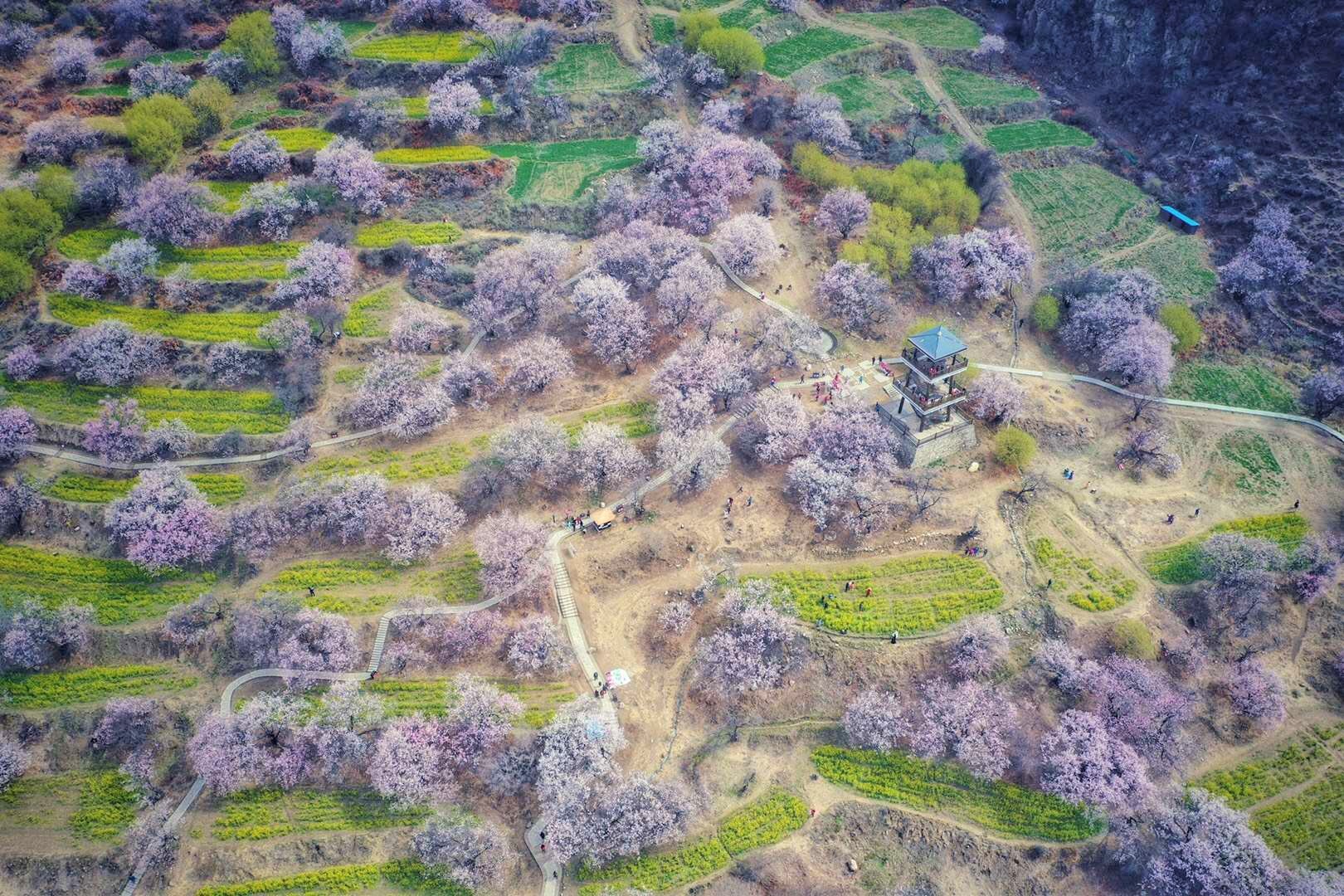
Spring in Tibet - Flower Viewing - See Seas of Flowers and Waterfalls (March-April)
In spring, while the snow melts in the plains and the entire Tibetan Plateau remains shrouded in ice and snow, Nyingchi, known as the "Jiangnan of Tibet," is already bursting with life due to its lower altitude. With an average altitude of 3100 meters and a minimum elevation of only 900 meters, Nyingchi boasts the greatest vertical drop in the world. In springtime, Nyingchi's pastoral scenery is in full bloom. Against the backdrop of the continuous snow-capped mountains, patches of red and pink peach blossoms stretch as far as the eye can see, making one wonder if they've stepped into Peach Blossom Island from Jin Yong's novels. The early spring sunshine and gentle breezes cause petals to flutter and dance, creating a scene straight out of a painting. Ancient cypress trees stand tall and straight, reaching towards the clouds, like spirited guards.
In Nyingchi, besides peach orchards, there are numerous waterfalls to admire, cascading down through clouds and mist. Among them are the Great Bend Waterfall, known as a "spectacle of the Tibetan Plateau," the 400-meter-high Hanmi Waterfall, the "Tiger's Mouth" Waterfall hanging upside down from the cliff, the Didong Waterfall plunging from the cloud-shrouded cliff, the misty Bei Waterfall, and the Lag Waterfall, where tens of thousands of water droplets fall simultaneously, their roar like thunder, surging and churning, crashing against rocks or plunging into ravines, rushing towards the towering mountains.
Springtime temperatures in Tibet are low with significant temperature differences, so thermal underwear plus a sweater and jacket are the best choice. Sun protection is also essential.
Summer in Tibet - Escape the Heat - Forests, Grasslands, and Sacred Lakes (May-September)
Summer in Tibet awakens all the snow-capped mountains and meadows, making it the perfect time to visit both sacred cultural landscapes and pristine natural attractions. This is also the peak tourist season in Tibet; while the rest of the country swelters in the heat, this pristine land enjoys leisurely white clouds, azure skies, and comfortable temperatures. Visiting Tibet this season offers everything you could want.
The 150-kilometer-long protective forest along the Yarlung Tsangpo River is now covered in lush greenery, and the Linka Festival of the people of Shigatse is being held at this time. People sit in tents, singing, dancing, drinking, and eating meat, experiencing the local customs and traditions firsthand.
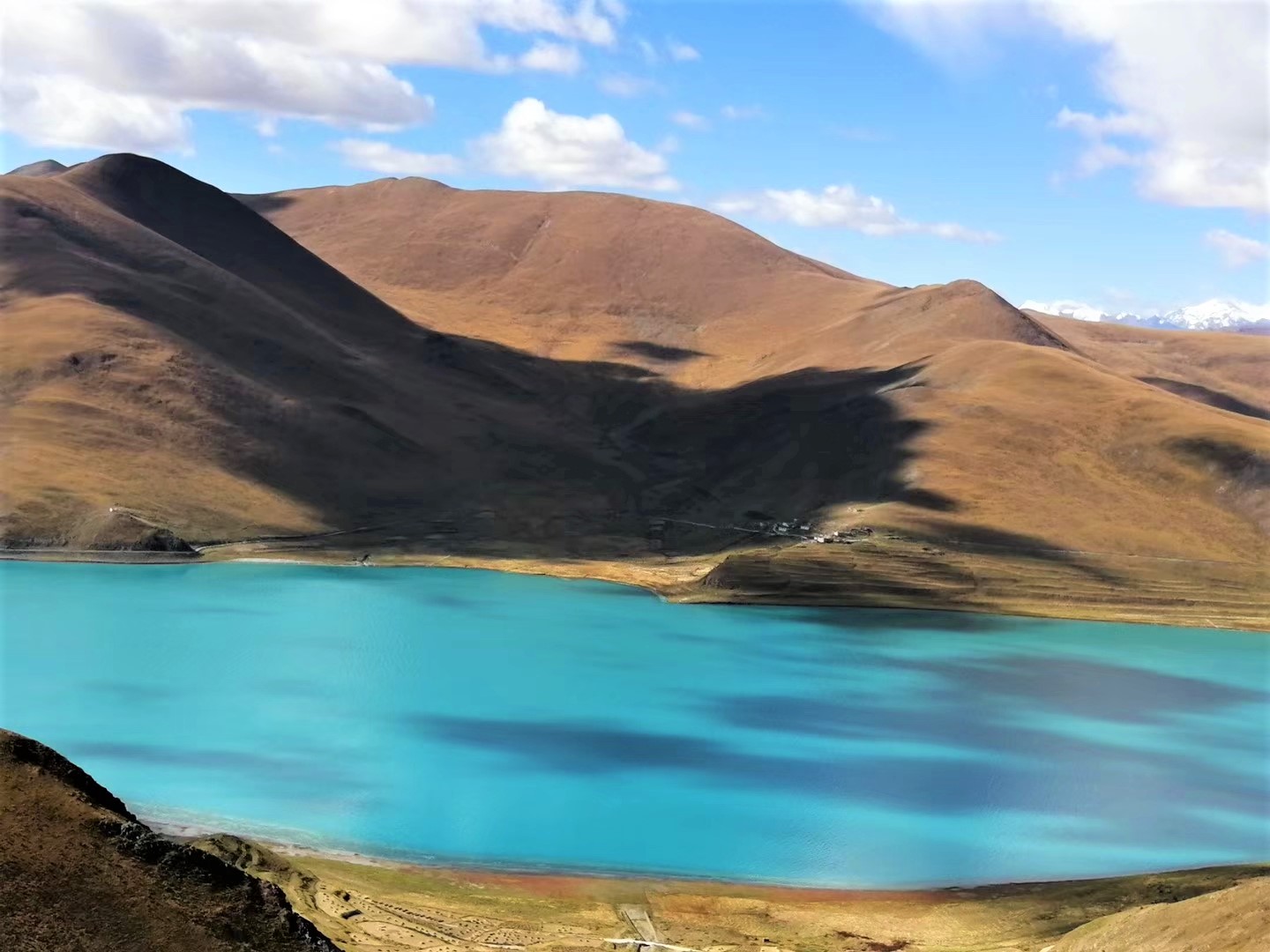
Traveling upstream along the Yarlung Tsangpo River, the plateau lakes gradually thaw. The blue lakes, where ice and water meet, are dazzling and mysterious under the sunlight. At night, looking at the vast Milky Way connecting the sky and the ground at the sacred lake, it is impossible to distinguish where the Milky Way ends and the lake surface begins.
The Northern Tibetan Plateau is now ready, awaiting your exploration. During this period, the climate is mild, everything is lush, the meadows are vast, cattle and sheep are plump, and people and livestock thrive. This is the golden season when the grand and passionate Nagqu Horse Racing Festival is held. Further north, the Ali loop, the core area of the Qiangtang Plateau, is the best time to explore. Under the plateau sky, the sacred mountains and lakes radiate their charm; the Zanda Earth Forest is a masterpiece of nature; Mount Everest exudes grandeur; and the unique natural landscape and folk customs of the plateau await your discovery.
Summer in Shannan Prefecture perfectly embodies the feeling of being bathed in a spring breeze. It boasts authentic Tibetan culture and customs, and is also the region with the richest collection of cultural relics and historical sites in Tibet.
In Changdu in the east, without the obstruction of rain and snow, the red Danxia landforms, with their high temperature and humidity, come into view amidst the fluttering prayer flags. This unique Danxia landform has finally been revealed to the world.
Although the temperature in Tibet is cool in summer, the ultraviolet radiation is extremely strong. Wear long sleeves and trousers, bring a sun hat, and protect your face from the sun. Sunglasses, magic face masks, and high SPF sunscreen are also essential. During the rainy season, it rains a lot at night, so in addition to waterproof clothes and shoes, you should always have rain gear ready to avoid catching a cold.
Book your exclusive Tibet tour ▶▶
TibetAutumn - Foliage Viewing - Hiking in Motuo, vibrant colors (September-October)
Trekking to Medog is most enchanting in autumn, as the risk of danger is lowest during this season. Located deep within the Yarlung Tsangpo Grand Canyon, Medog is a pristine "island" on the Tibetan Plateau, almost completely isolated from the world. Surrounded by mountains, its landscape resembles a lotus flower, with vast forests, alpine lakes, cascading waterfalls, and rising mists, creating a scene of ethereal beauty. Here lies Medog's most iconic attraction—the Guoguotang Great Bend, a breathtaking spectacle. The waterfall cascades down like a silver river, while alpine meadows and majestic snow-capped mountains and glaciers further enhance its allure.
Autumn in Tibet is a vibrant tapestry of colors and breathtaking scenery. The Hengduan Mountains are already showing signs of autumn, making Tibet appear as if God has spilled his palette. Some areas are ablaze with red leaves, others are a golden hue, and still others remain lush and green. The layered forests and frosty leaves—this is autumn in the Shannan region.
In autumn, Nyingchi is a riot of colors, with emerald green rivers and lakes and golden barley, a fairytale world like an oil painting, breathtakingly beautiful.
Autumn is a good time to travel to Tibet. The temperature is comfortable but the ultraviolet radiation is strong and the air is dry. It is necessary to prepare for sun protection and moisturizing. It is best to wear thermal underwear, a thin sweater and a moderately thick coat.
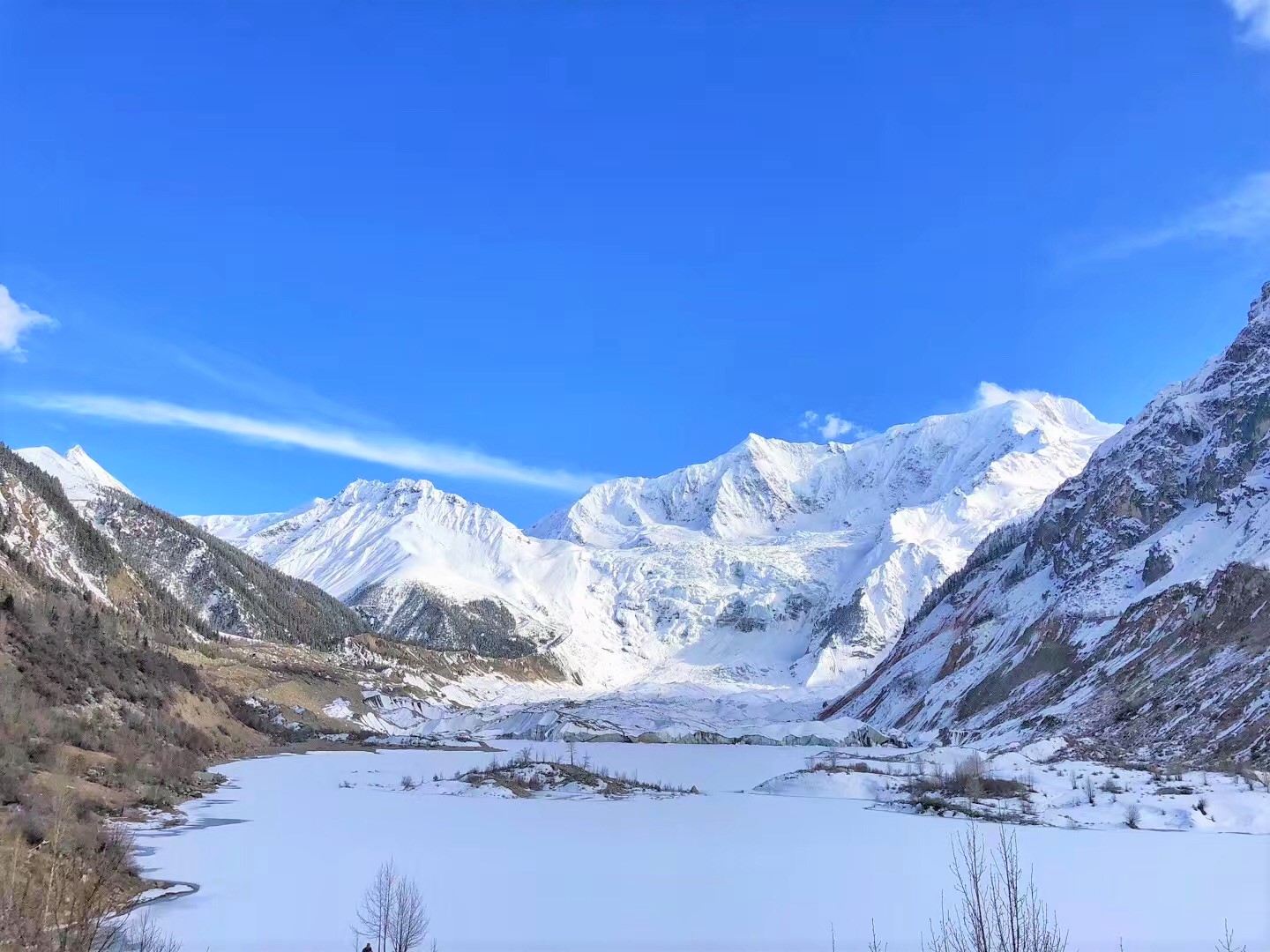
Winter in Tibet - Playing in the Snow - Viewing Snow-capped Peaks and Sunbathing (November to February of the following year)
In winter, the entire snow-covered plateau is immersed in a world of ice and snow. You can't see the sacred mountains and lakes, appreciate the pastoral scenery, or trek the perilous Motuo road, but you can still experience the true snow-covered plateau.
The climate is cold and dry in winter, but mild and sunny during the day. You can bask in the sun in the square of Jokhang Temple and enjoy the sunshine of the holy city.
In winter, you can witness the breathtaking beauty of Mount Everest bathed in golden sunlight and the true face of Namcha Barwa. From a scenic perspective, winter is the most spectacular time to visit Tibet, with the highest visibility, offering views rarely seen at other times. You can also observe rare birds that migrate to Lhasa for the winter, such as black-necked cranes and striped geese, in the wetlands and at Hutou Reservoir.
Tibet experiences extreme temperature differences between day and night in winter, so down jackets, thermal underwear, cashmere sweaters, thick sweaters, thermal underwear, wool pants, windproof pants, hats, scarves, leather gloves, and waterproof, warm, sturdy-soled hiking shoes, outdoor shoes, or sneakers are essential. For other seasons, high-top outdoor shoes are more suitable for visiting scenic areas like Mount Everest, Ali, and Medog. Winter air is dry, with abundant sunshine and strong ultraviolet radiation, so be sure to moisturize your skin and protect it from the sun.
Best time to visit Tibet
Overall, the best time to visit Tibet is in the summer (June-August), followed by spring and autumn (March-May and September-October).
Tibet, a paradise closest to the sky and far removed from the hustle and bustle of the city, attracts waves of tourists with a different face every season. Whether they are devout pilgrims on a pilgrimage, city tourists simply admiring the scenery, or artsy youths seeking self-discovery, they all need to be there at the right time to fulfill the true purpose of their trip to Tibet.
Book your Tibet tour ▶▶
Recommended Itinerary
Lhasa-Shigatse-Mount Everest-Namtso 8-day tour ▶
Lhasa - Mount Everest - Sacred Mountain and Lake Manasarovar (Kora) - Namtso Lake - Lhasa 16-day tour ▶
Personalized itinerary ▶